Idols of Ash Murderpede Guide
The Murderpede is not random, and it is not unfair. It follows specific rules you can learn. Once you understand its patterns, the creature goes from terrifying to manageable. The thing that actually kills you is panic.
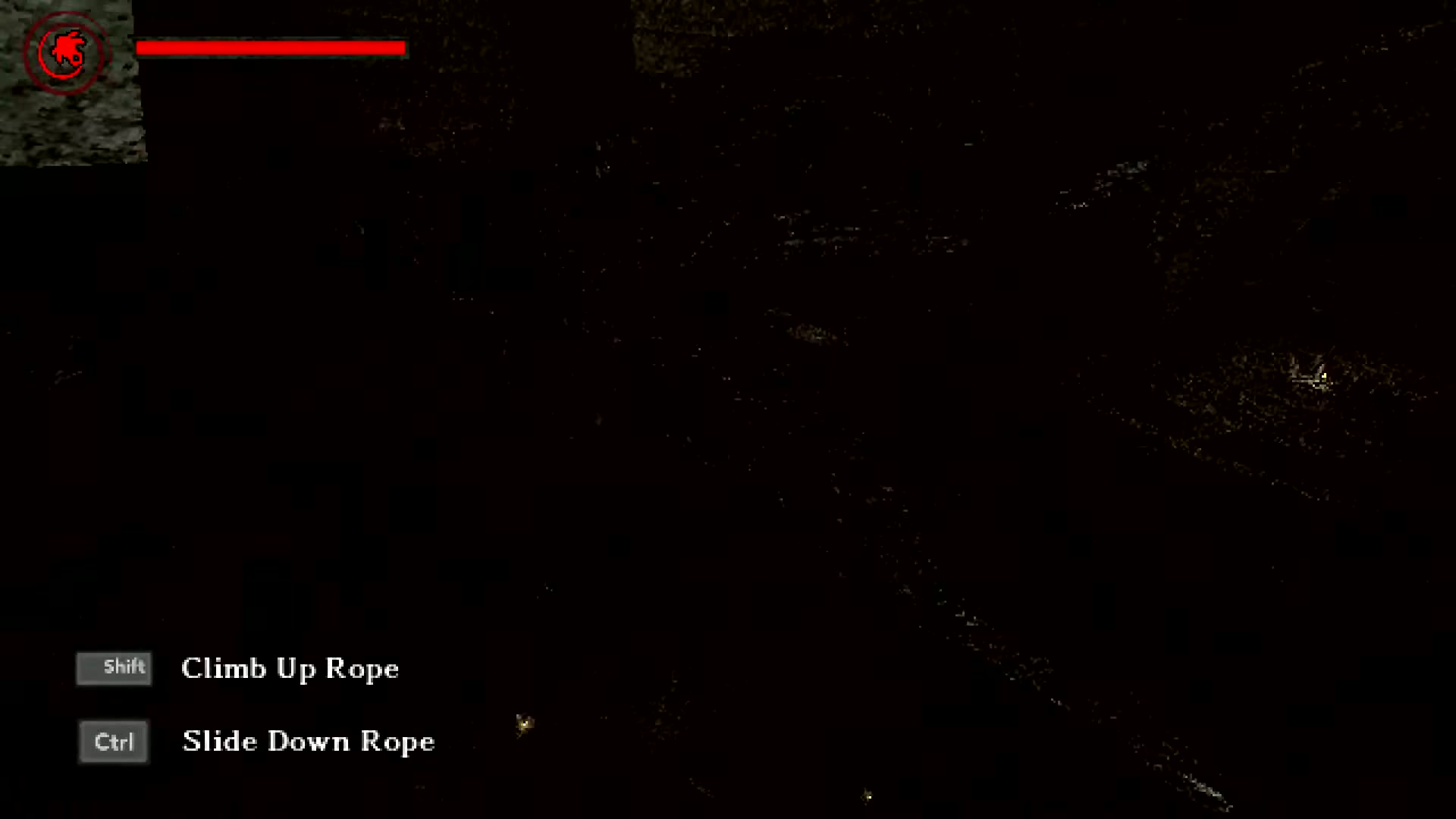
The Murderpede crawling along a wall. The leg animation is absurdly detailed -- each leg moves independently, gripping and releasing the surface. Most players find this deeply unsettling, which is exactly the point.
Behavior Patterns
The Murderpede is not a scripted enemy on a fixed path. It reacts to your movement and has tendencies you can predict and work around. Here is what it actually does:
It is Bad at Going Up
This is its biggest weakness and the single most important thing to remember. The Murderpede struggles with upward pursuit. When you are above it, it chases much more slowly and often loses track of your position. When it gets close, your instinct is to run away in whatever direction is available. Fight that instinct. Swing upward instead. Gain one level of height, let it lose ground, then continue your descent through a different route. Going up to go down is counterintuitive, but it is the most reliable way to shake the creature.
It Hates Tight Horizontal Spaces
Going up is its most well-known weakness, but there is another one that fewer players know about. The Murderpede has a hard time navigating narrow horizontal corridors. Its long body needs room to turn and reposition, and tight horizontal passages slow it down significantly. If you can duck through a narrow gap, you buy yourself real breathing room.
Do not confuse this with hiding, though. The creature has line-of-sight tracking. If it can see you, it knows exactly where you are. Sitting in a corner hoping it will pass by does not work. It will come straight for you. The narrow spaces only help because the creature physically moves slower through them, not because it loses track of you.
It Speeds Up When It Gets Close
The Murderpede does not maintain a constant speed. When it closes within a certain distance, it enters a charge state where it accelerates noticeably. You will hear the audio shift from steady skittering to a faster, more aggressive rhythm. Once it enters this state, you have a few seconds before it reaches you. This is your cue to go vertical immediately. Do not try to outrun a charging Murderpede on a horizontal path. Go up.
It Guards the Holes
The Murderpede knows you need to go down, and it positions itself accordingly. It tends to camp near the openings and passages that lead to lower levels -- the exact spots you need to pass through. Rushing straight through a guarded hole is almost always a death sentence. Instead, swing up and around. Find an alternate route to the same lower level, or circle above the hole until the creature shifts position.
Do not try to rush past it. Swing upward and away from the hole. Move laterally to find a different opening to the lower level, or circle back after 15-20 seconds when the creature has shifted position. The structure almost always has more than one way down -- the Murderpede can only camp one of them at a time.
It Matches Your Speed
The Murderpede tracks your average movement speed over roughly the last 10 seconds. If you maintain consistent forward movement, it stays at a stable distance behind you. If you stop to look around or plan your next swing, it closes the gap. If you speed up and maintain that pace, it gradually falls behind.
The practical takeaway: do not stop. Consistent movement is better than bursts and pauses. A player who swings at a steady pace with clean transitions between grapple points stays safer than a player who sprints, stops to plan, sprints again, and stops again. The creature punishes hesitation more than it punishes slow movement.
The Legs
This is not a gameplay mechanic, but it deserves mention. The Murderpede's leg animation is procedural -- each of its dozens of legs moves independently, gripping and releasing surfaces in a way that looks disturbingly organic. It crawls on walls, ceilings, and floors with equal ease, and the leg movement adapts to whatever surface it is on. The developer clearly spent significant time on this animation system, and it shows. Many players report that the legs are the most unsettling part of the creature, more than its speed or aggression. It is designed to make your skin crawl, and it works.
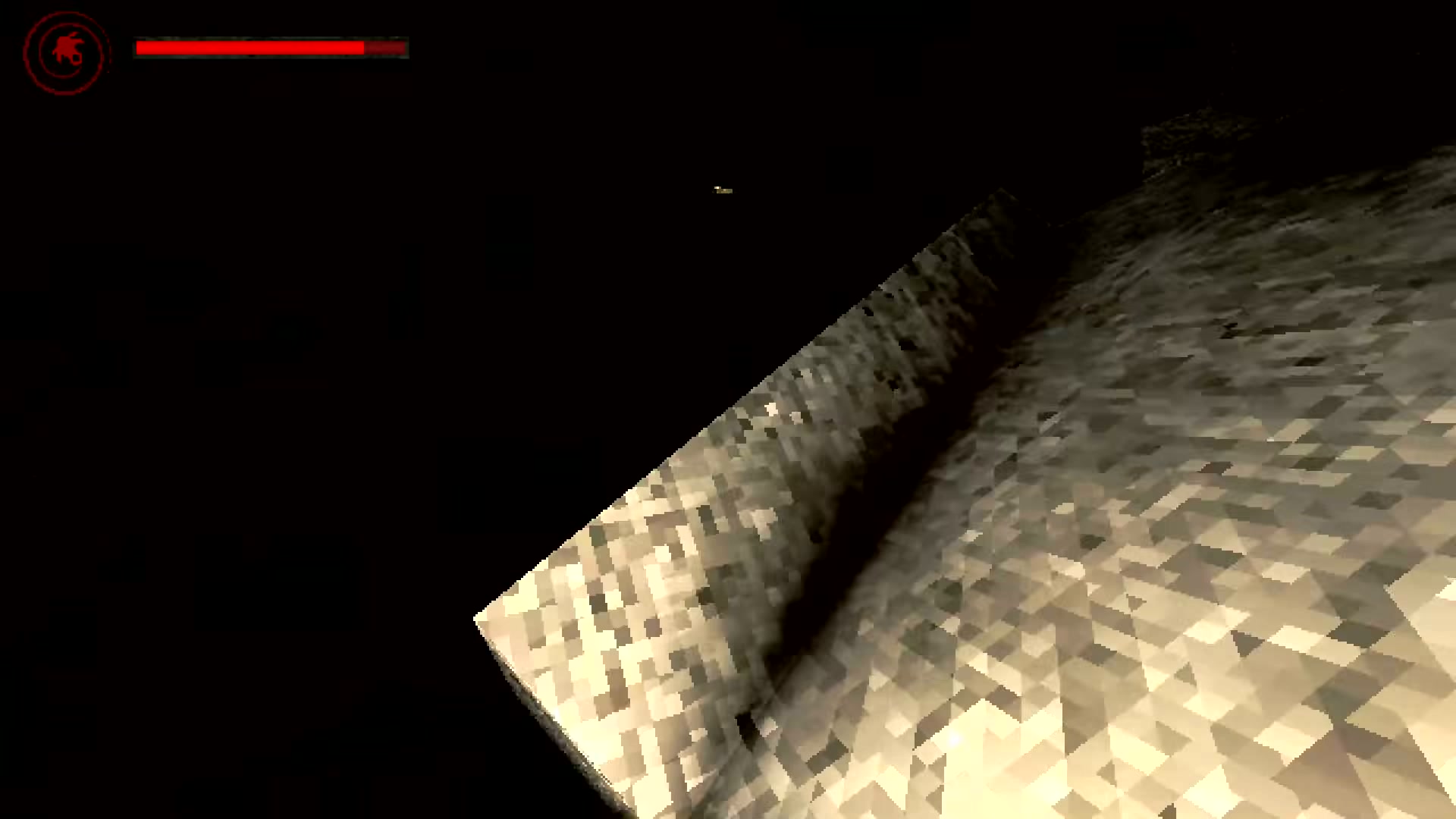
A chase in the dark. You hear it before you see it, and by the time you see it, you need to be moving. The directional audio is your best distance indicator in sections like this.
What Happens When It Catches You
There is no "getting grabbed" or "taking a hit." Contact with the Murderpede is instant death. Any part of its body touching any part of yours triggers a death animation and sends you back to the last checkpoint. There is no health bar interaction, no knockback, no second chance. One touch and you are done.
This is why panic management matters so much. In other games, getting hit by an enemy means you lose some health and keep going. Here, the consequence is binary: either you avoid it completely, or you restart from the last save point. There is nothing in between.
Sound-Based Distance Tracking
Sound is your most reliable tool for knowing where the Murderpede is, especially in the deep sections where you cannot see it. The audio has three distinct levels:
- Faint rumble / distant scraping: The creature is far away. You are safe for now. Keep moving at your pace, no need to rush.
- Audible skittering / medium volume: It is in your general area. Not immediately dangerous, but you should not be standing still. Maintain steady movement and be ready to swing upward if it gets louder.
- Loud, close sounds / you can hear individual legs: It is very close. Do not stop for anything. If you need to pass through a gap or make a tricky grapple, do it now. Hesitation at this distance is fatal.
Wear headphones. The audio is directional. You can tell not just how far the Murderpede is, but which direction it is coming from. In the deep sections where visibility is near zero, headphones turn the game from a blind guess into a tactical decision -- you hear it approaching from the left, so you move right. You hear it below you, so you stay high. Without headphones, you lose half your information about the creature's position.
Panic Management
Here is the uncomfortable truth about the Murderpede: panic kills you, not the creature. The Murderpede is dangerous, but it is predictable. It follows rules. What is not predictable is your reaction when the sounds get loud and the screen gets dark and those legs start appearing in your peripheral vision.
Panic causes three specific mistakes:
- Firing the grapple at the first thing you see instead of aiming at a good anchor point. Bad anchors lead to bad swings, which lead to walls or falls.
- Sprinting and then freezing when you run out of obvious grapple points. The burst-and-stop pattern is exactly what lets the creature close the gap.
- Forgetting to go up. When the Murderpede is close, your brain says "run away" but does not specify a direction. The correct direction is up. Up is where it is weakest. But panic makes you forget that and just swing in whatever direction you are already moving.
The solution is boring but effective: practice the panic response. In the upper section, when the creature gets close, deliberately force yourself to swing upward, wait for it to fall behind, then resume. Do this three or four times. Build the muscle memory so that "Murderpede is close" triggers "go up" automatically instead of "fire at anything and pray."
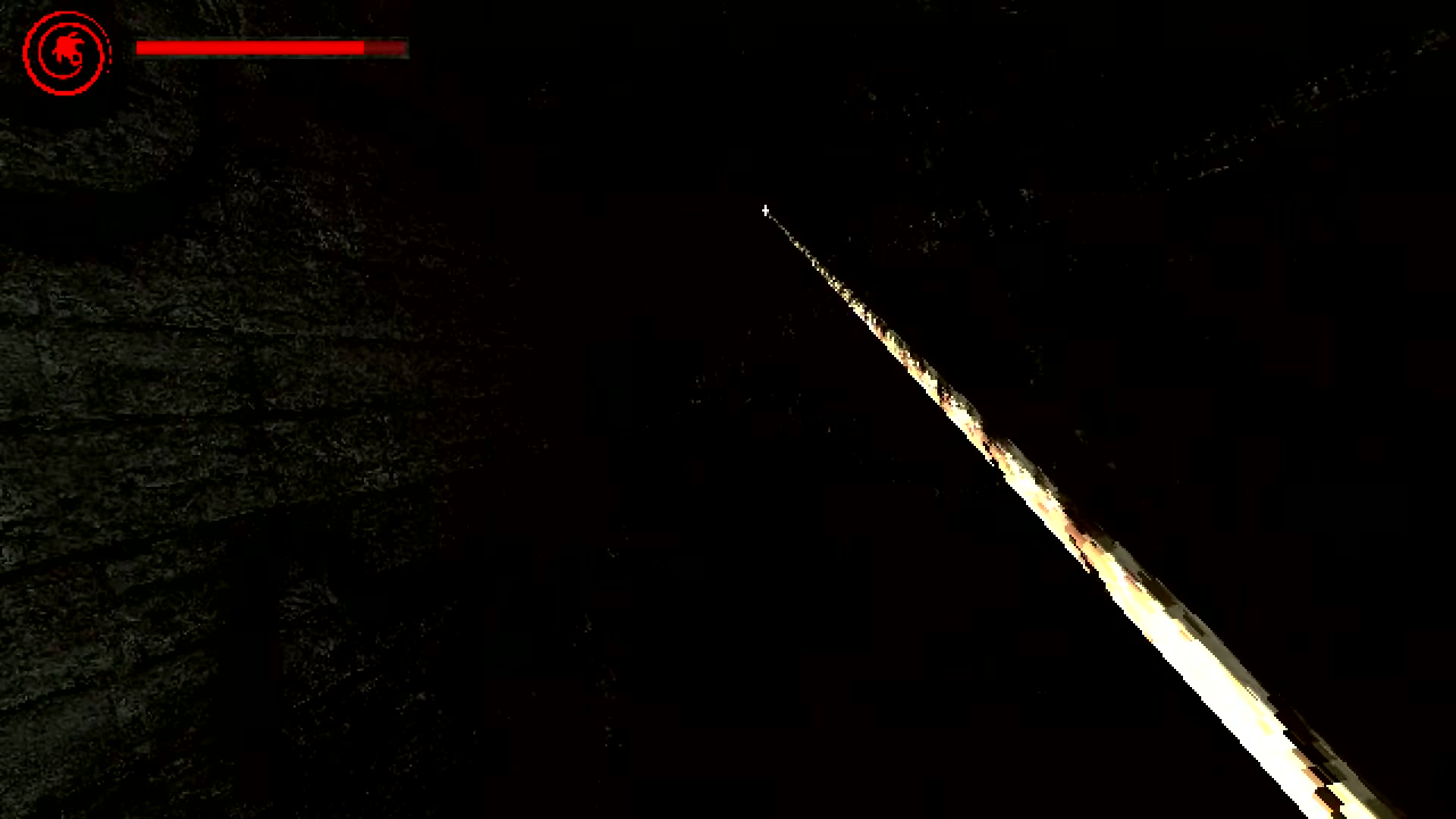
Escaping through a narrow corridor. Aim for the ceiling-wall junction for the most reliable grapple points. Steady movement through sections like this beats frantic sprinting.
Survival Strategy Summary
- Go up when it gets close. The Murderpede is bad at upward pursuit. Gaining height buys you time and forces it to reposition.
- Keep moving at a steady pace. It matches your average speed. Consistent movement maintains a safe gap. Stopping lets it close in.
- Do not rush guarded holes. Circle around, find alternate routes, or wait for it to shift position.
- Use sound as your primary tracker. Faint = safe. Medium = stay moving. Loud = do not stop.
- Control your panic response. Practice going upward when it gets close until that reaction is automatic.
- The creature is not the real threat. Your own panic is. Every death you analyze will come down to a bad decision you made because you were scared, not because the Murderpede did something unpredictable.
Frequently Asked Questions
Can you kill the Murderpede?
No. There are no weapons in Idols of Ash. The Murderpede cannot be killed, damaged, or stopped. The entire game is built around evasion. Your grappling hook is a movement tool, not a weapon. Accept this early -- once you stop looking for a way to fight it and focus entirely on outrunning it, the game makes a lot more sense.
How fast is the Murderpede?
It roughly matches your average speed over the last 10 seconds. If you move steadily, it keeps a consistent distance. If you stop, it catches up. If you speed up and maintain that pace, it falls behind gradually. In Nightmare Mode, it moves faster and reacts more aggressively, but the same principle applies -- consistency beats bursts.
What triggers the Murderpede?
Nothing specific triggers it -- it is always active once you begin the descent. It does not spawn or despawn based on events. What changes is how close it is to you. It tends to stay farther away in the upper section and gets more aggressive deeper down. It gravitates toward downward passages and toward areas where you slow down or linger. There is no safe room or "Murderpede-free zone" -- it is always somewhere in the structure, always moving.