Idols of Ash Story & Ending Explained
Everything the game tells you about its story, pieced together from memory fragments, environmental details, and the ending sequence.
This page discusses the full story of Idols of Ash, including the ending. If you have not finished the game yet, turn back now. The story hits harder when you discover it yourself during the descent.
Why You Are Down Here
The protagonist enters the ancient megastructure for one reason: someone they love is dying. The disease is called Coil Rot -- it twists and decays the body, slowly destroying the person from the inside. By the time the protagonist leaves, the disease has already done terrible damage. The loved one is described in the memory fragments as "frail and twisted," their body warped beyond recognition by the rot.
There is no doctor, no medicine, no treatment that works. The megastructure -- this ancient, massive ruin that stretches thousands of meters underground -- is the last hope. Somewhere at the bottom, there might be something that can cure Coil Rot. Or at least, that is what the protagonist believes.
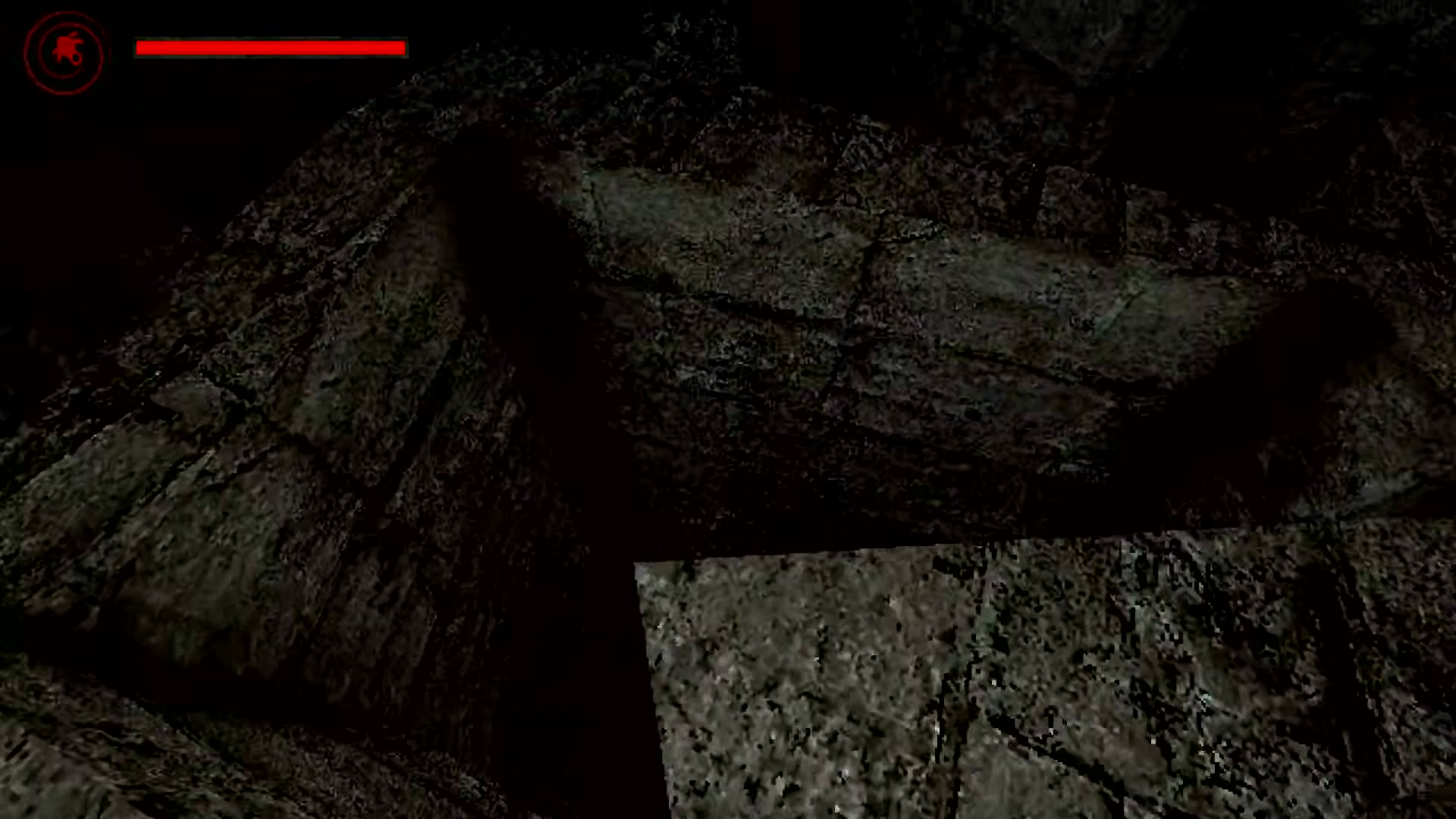
Memory fragments appear at "Breathe in Ashes" interaction points scattered throughout the descent.
The Memory Fragments
Throughout the descent, you encounter "Breathe in Ashes" interaction points. These trigger memory fragments -- short, text-based glimpses into the protagonist's life before the descent. Taken together, they tell the story of why you are here and what you left behind.
Fragment 1: The Village
A memory of ordinary life. A sunny morning. The protagonist lived in a small community -- the kind of place where everyone knows everyone. This fragment exists mostly to establish what "normal" looked like before everything went wrong. It makes the later fragments hit harder by contrast.
Fragment 2: Praxto's Farewell
Praxto -- a companion or close friend -- says goodbye. The key line: "There's nothing we can do to change your mind." This tells you two things. First, others tried to stop the protagonist from entering the structure. Second, the protagonist chose to go anyway, knowing the risks. Praxto does not try to argue anymore. It is resignation, not encouragement. The people who care about you think this is a bad idea.
Fragment 3: The Loved One
The most painful fragment. You see the loved one in the grip of Coil Rot -- "frail and twisted," with "the coil rot had already done its terrible job." The disease has progressed far. This is not an early diagnosis where there is time. The body is already breaking down. This fragment makes the protagonist's desperation tangible. They are not on a casual quest. They are watching someone they love be destroyed, and they have nothing left to try except this.
Fragment 4: The Departure
The protagonist leaves. The loved one watches from a distance, waiting. Not following. Just standing there as the protagonist walks toward the structure. There is no dramatic goodbye, no shouted promises. Just one person walking away from another, both of them knowing what it means.
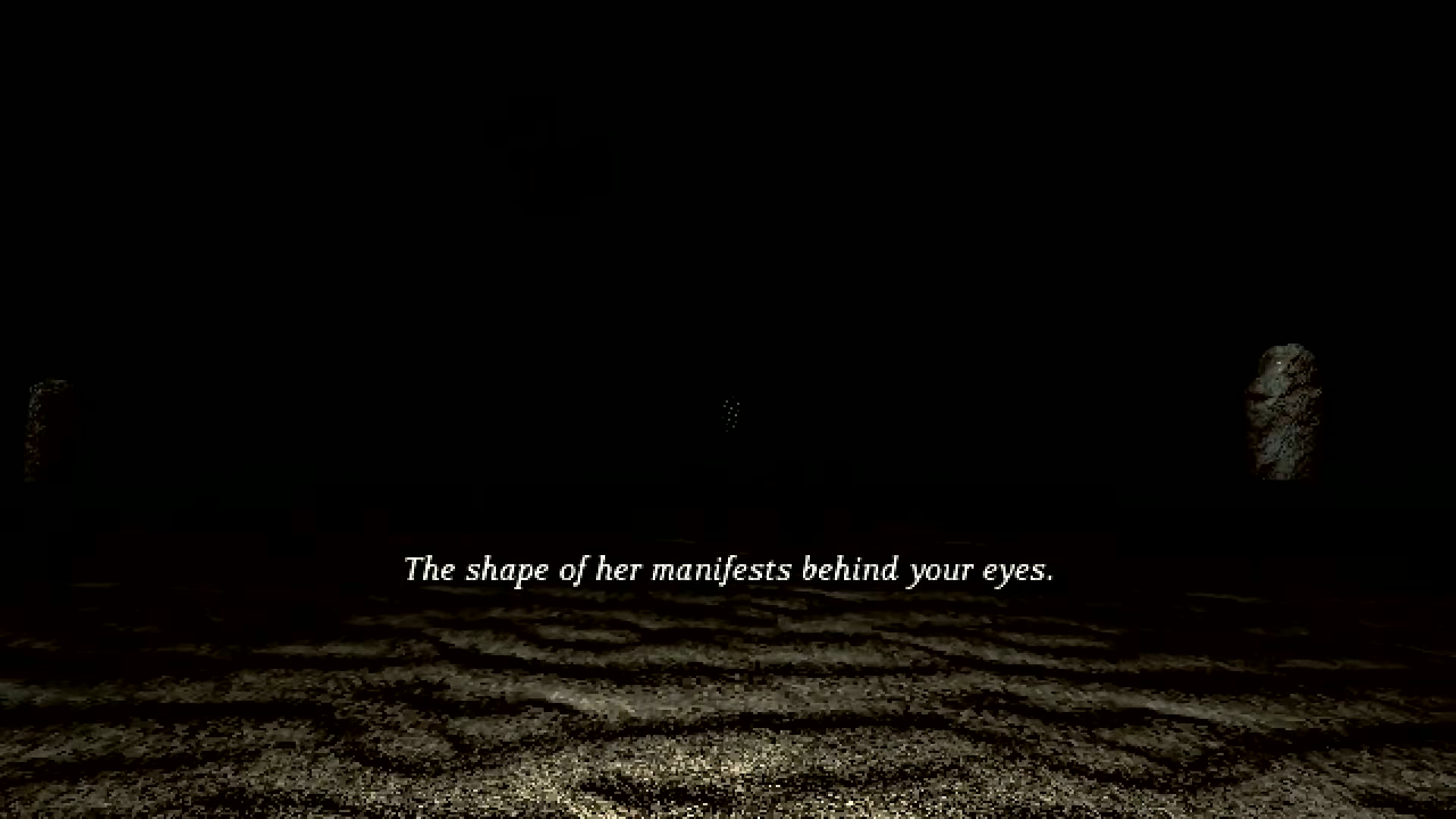
An apparition of the loved one appears in the deep sections -- the structure using your memories against you.
The Structure and Its Illusions
The megastructure is not just a ruin. It is described as a place "filled with illusions" where everyone who enters "will face the face of regret." The memory fragments you experience during the descent might not be straightforward recollections. They could be the structure pulling your worst memories to the surface, testing whether you will break.
This raises a question about everything you see during the descent. Are the apparitions of your loved one real manifestations, or is the structure weaponizing your grief? The game does not give a definitive answer. The memories feel real, the emotions feel real, but you are inside a place that is explicitly described as deceptive.
Three Endings
Idols of Ash has three distinct completion paths, each tied to a different game mode. Each one reveals a different layer of the story.
Normal Mode Ending: Petrification
When the protagonist reaches the bottom of the megastructure, they do not find a cure. Instead, they are turned to stone. The final image is the protagonist frozen in a crawling posture -- still reaching, still trying to get to their loved one, even as their body becomes rock. They join the other stone figures at the bottom, becoming another one of the "Idols of Ash" that give the game its title.
The stone statues at the bottom are all previous people who descended. Every one of them came here for their own reason, their own desperation, their own loved one. And every one of them ended up the same way: frozen at the bottom, reaching for something they never got to touch.
Nightmare Mode Ending: Deeper Revelation
Completing the deathless Nightmare run reveals more about the nature of the megastructure itself. The descent is not just a physical journey downward. The structure responds to the protagonist's willpower, and surviving the entire gauntlet without dying proves something to the ancient place. The ending sequence adds context that reframes what the stone figures at the bottom actually represent, and hints that the petrification in Normal Mode might not be the only possible outcome.
First Kiln Ending: The Embers
The First Kiln mode tasks you with collecting embers scattered throughout the structure. Gathering them all and reaching the bottom with them triggers the final ending, which provides the closest thing to resolution the game offers. Whether the protagonist breaks free of the cycle, saves their loved one, or achieves something else entirely depends on how you read the imagery. But it is the most complete version of the story, and it is clearly the ending the game builds toward across all three modes.
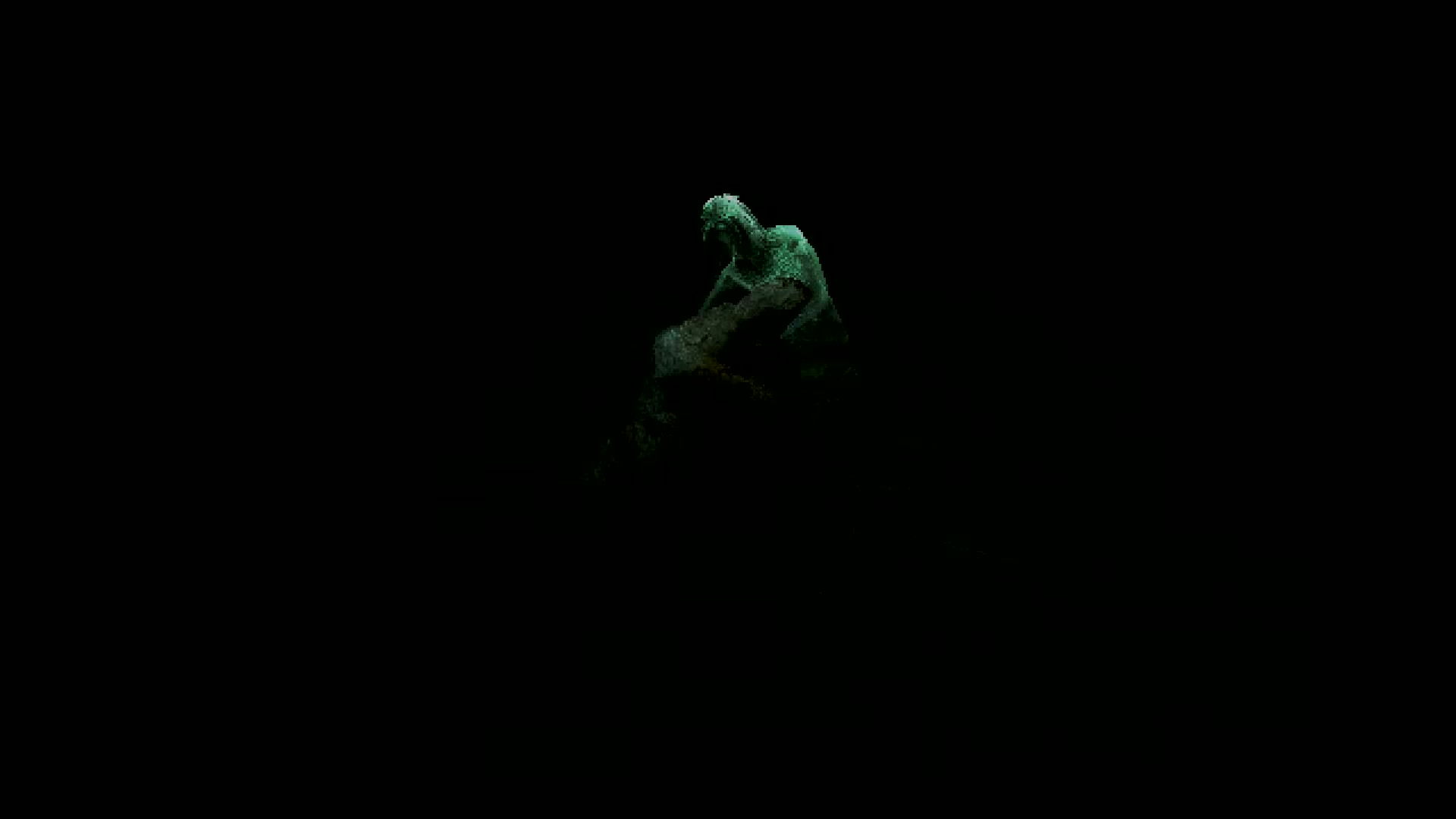
The protagonist becomes stone -- still reaching, still crawling toward what they came for.
The Statues: Saved Memories
The stone figures found throughout the megastructure are not just decoration. They represent preserved memories. Each statue was a person who descended, driven by their own loss, their own desperation. The structure captured them at the moment of their greatest emotional intensity and froze them in stone. They are not dead in the traditional sense. They are preserved, locked in the exact moment they felt most strongly.
This reframes the entire descent. You are not just passing through ruins. You are walking through a gallery of other people's worst moments, their deepest regrets made physical. The "Idols of Ash" are monuments to what people are willing to sacrifice when they have nothing left to lose. And the protagonist is about to become one of them.
Memory Fragments in Detail
The text fragments scattered along the descent path are easy to rush past, especially when the Murderpede is nearby. But taken together, they build a story that gives the ending its weight.
The early fragments establish the protagonist's life before the descent. Simple moments. A meal shared. A conversation about nothing important. These exist to ground you in what "normal" looked like, because the later fragments show how completely that normality was destroyed by Coil Rot.
The middle fragments shift tone. They describe the loved one's deterioration in specific, uncomfortable detail. The body warping, the pain increasing, the treatments failing one by one. These are not distant observations. They read like someone who sat by a sickbed for months, watching the person they care about most get taken apart piece by piece.
The deepest fragments, found near the bottom of the megastructure, are the most ambiguous. They blur the line between memory and hallucination. Is the protagonist remembering their departure, or is the structure fabricating false memories to break their will? The game never confirms which interpretation is correct, and that ambiguity is the point.
What Does It Mean?
The game leaves the ending deliberately open. A few readings:
- A sacrifice that worked: Maybe becoming stone is the price. The protagonist knew they would not come back, but the cure is released by their sacrifice. The loved one is saved, but the protagonist pays with their life.
- A pointless death: Maybe there was never a cure. The structure consumed the protagonist the way it consumed everyone else. The descent was always a one-way trip with nothing at the bottom but stone.
- A mercy: Maybe becoming stone is not death but rest. The protagonist was carrying so much grief that being frozen -- unable to feel anything anymore -- is a kind of peace.
The game does not tell you which reading is correct. That is the point.
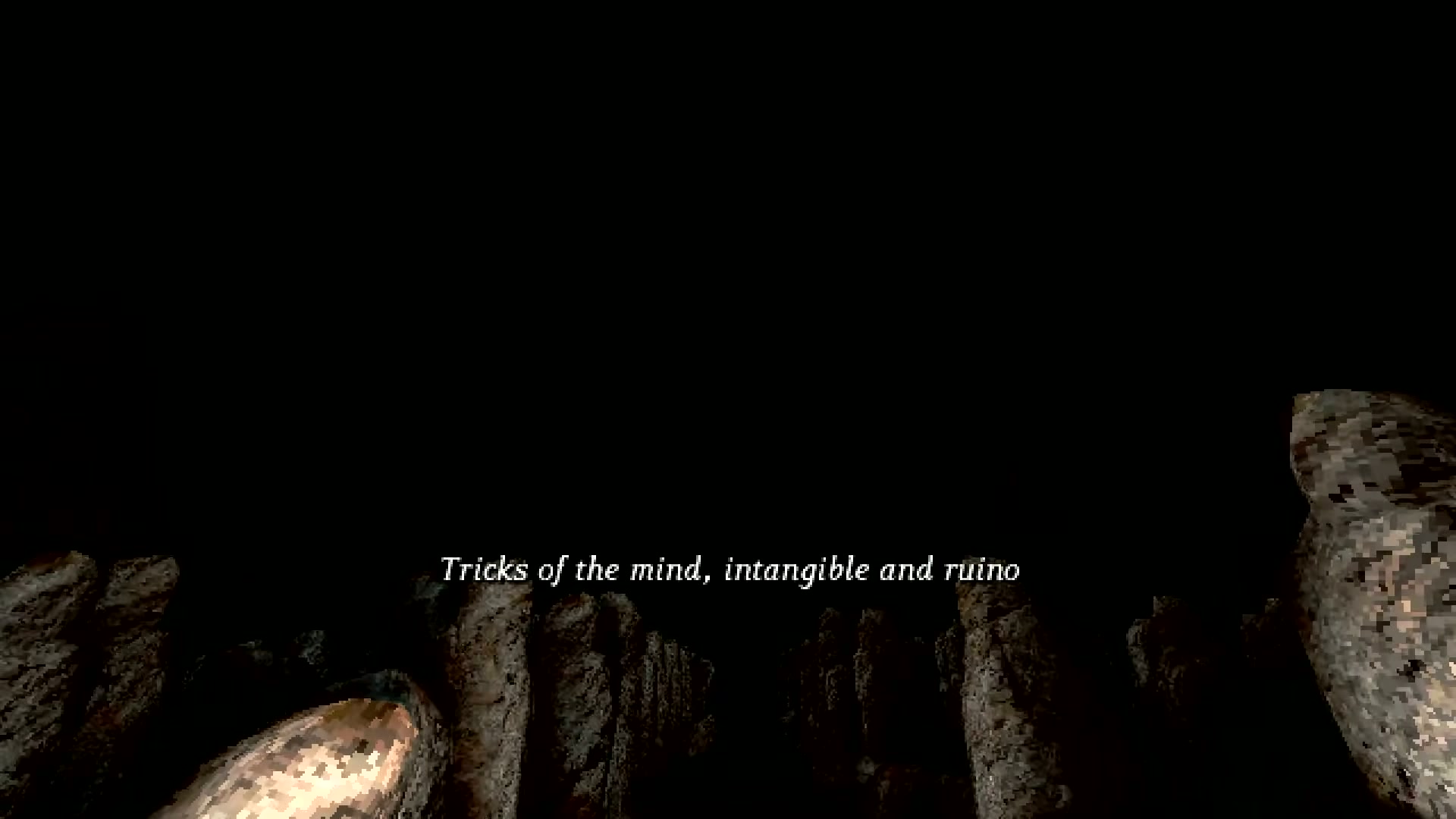
The "Idols of Ash" -- stone figures at the bottom, each one a person who came before you.
Watch the full game with no commentary to see all three ending sequences in context:
The First Kiln and Additional Lore
The First Kiln mode may provide additional story context beyond what Normal Mode offers. If you have finished the standard ending and want to dig deeper into the lore, The First Kiln is worth playing through for its narrative additions. The mode is significantly harder, but the story elements it reveals add another layer to the protagonist's journey.
The Title
"Idols of Ash" refers to the stone figures at the bottom. "Idols" -- objects of devotion, things people worshipped or revered. "Of Ash" -- made from the remains of what burned. Each statue was once a person driven by love, grief, or desperation strong enough to send them into this place. They are monuments to the lengths people will go for the ones they care about. Whether that makes them noble or foolish depends on your reading of the ending.
Similar Games
If the "descent through a massive abandoned structure" experience resonated with you, Lorn's Lure is the closest comparison. You descend a different megastructure using ice picks instead of a grappling hook, and while the tone is less horror-focused, the same feeling of scale and isolation is there. The community around these "megastructure descent" games is small but passionate.
Frequently Asked Questions
What is Coil Rot?
A disease that twists and decays the body. The protagonist's loved one suffers from it, and finding a cure is why they enter the megastructure. The memory fragments describe the loved one as "frail and twisted" after the disease has progressed.
What happens at the end of Idols of Ash?
The protagonist reaches the bottom and is turned to stone -- frozen in a crawling posture, still reaching toward their loved one. They become one of the "Idols of Ash." Whether this is a sacrifice, a failure, or something else is left open.
Who is Praxto?
A companion or friend from the protagonist's village who appears in the memory fragments. Praxto says "There's nothing we can do to change your mind" during a farewell scene, suggesting they tried to talk the protagonist out of entering the structure.