Idols of Ash Speedrun Guide
So you have beaten the game and now you want to go fast. Good. This guide covers the movement tech, route knowledge, and category-specific strategies you need to start cutting your times. Whether you are aiming for a sub-5 Normal run or chasing the Nightmare world record, the fundamentals are the same.
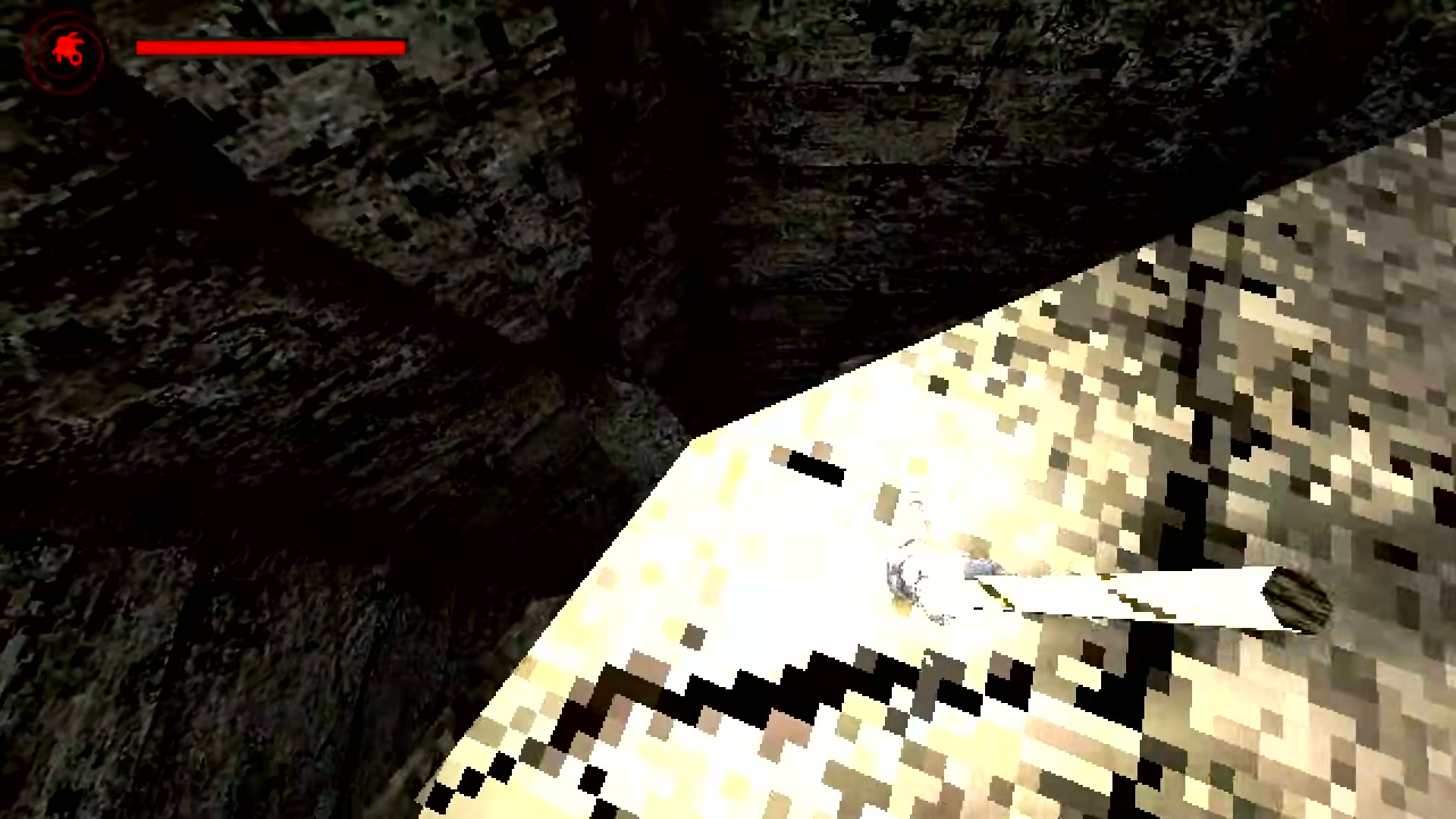
The central shaft descent. Clean lines through here can shave seconds off your run.
World Records and Benchmark Times
These are the current top times across the three speedrun categories. Use them as targets, not as expectations for your first attempts.
| Category | Benchmark Time | Notes |
|---|---|---|
| Normal | 4:58.050 | Standard descent with checkpoints available |
| Nightmare | 4:09.700 (WR) | No checkpoints, faster Murderpede, tighter everything |
| First Kiln | 6:58.467 | Reach the first Kiln checkpoint as fast as possible |
Yes, the Nightmare WR is actually faster than the Normal benchmark. That is not a typo. Nightmare runners skip checkpoint animations entirely, and the aggressive Murderpede forces a pace that Normal runners do not always maintain. When everything clicks, the pressure makes you faster.
Core Movement Tech
Before you worry about routes, you need these techniques in your muscle memory. Every second saved in a speedrun comes from executing these consistently.
Fall Forward Start
Right when the run starts, hold your movement key and Ctrl simultaneously. This squeezes maximum speed out of the initial drop instead of drifting down passively. It sounds small, but the difference between a passive start and a Fall Forward start compounds over the entire run. You want every pixel of downward velocity from the very first frame.
The Yoink Slingshot
This is the single most important speedrun technique in the game and honestly, it is incredibly satisfying once you get it down. Here is how it works: fire your grappling hook at a surface, and the instant it connects, immediately retract and release. The rapid catch-and-release creates a slingshot effect that launches you forward with way more speed than a normal swing.
The timing is tight. You want to release within a few frames of the hook catching. Too early and the hook does not grab. Too late and you just start a normal swing. Practice this on the first few grapple points of a Normal run until the timing feels automatic.
The Yoink works best when you are already moving. Chain it after a Fall Forward start or at the bottom of a swing arc for maximum speed. A standing Yoink barely does anything.
High-Point Anchoring
When you hook a point that is well above you, the resulting swing arc is much wider than hooking something at your level. Wider arc means more speed at the bottom of the swing, which means more momentum to carry into your next move. Speedrunners deliberately aim for the highest available anchor point even when a closer one exists, because the extra arc distance translates directly into velocity.
Corner Cutting
Keep your trajectory low and fast. The instinct for new runners is to swing high and arc over obstacles, but that costs time. You want to hug corners, pass through openings at the lowest safe height, and never gain altitude you do not need. Think of it like racing lines in a driving game -- the shortest path through a turn is always close to the inside edge.
Physics Clipping
This one is more advanced and a little wild. The game's physics engine has some edge cases where specific collision angles can give you sudden bursts of speed. Runners have found spots where swinging into a corner at just the right angle clips you through and spits you out the other side moving significantly faster than normal. These spots are route-specific and not consistent enough for beginners to rely on, but once you know your route well, adding clips can drop your time noticeably.
Physics clips can also kill your run. If you hit the wrong angle, you get stuck in geometry or launched in the wrong direction. Only go for clips once you have a consistent base time and want to push further.
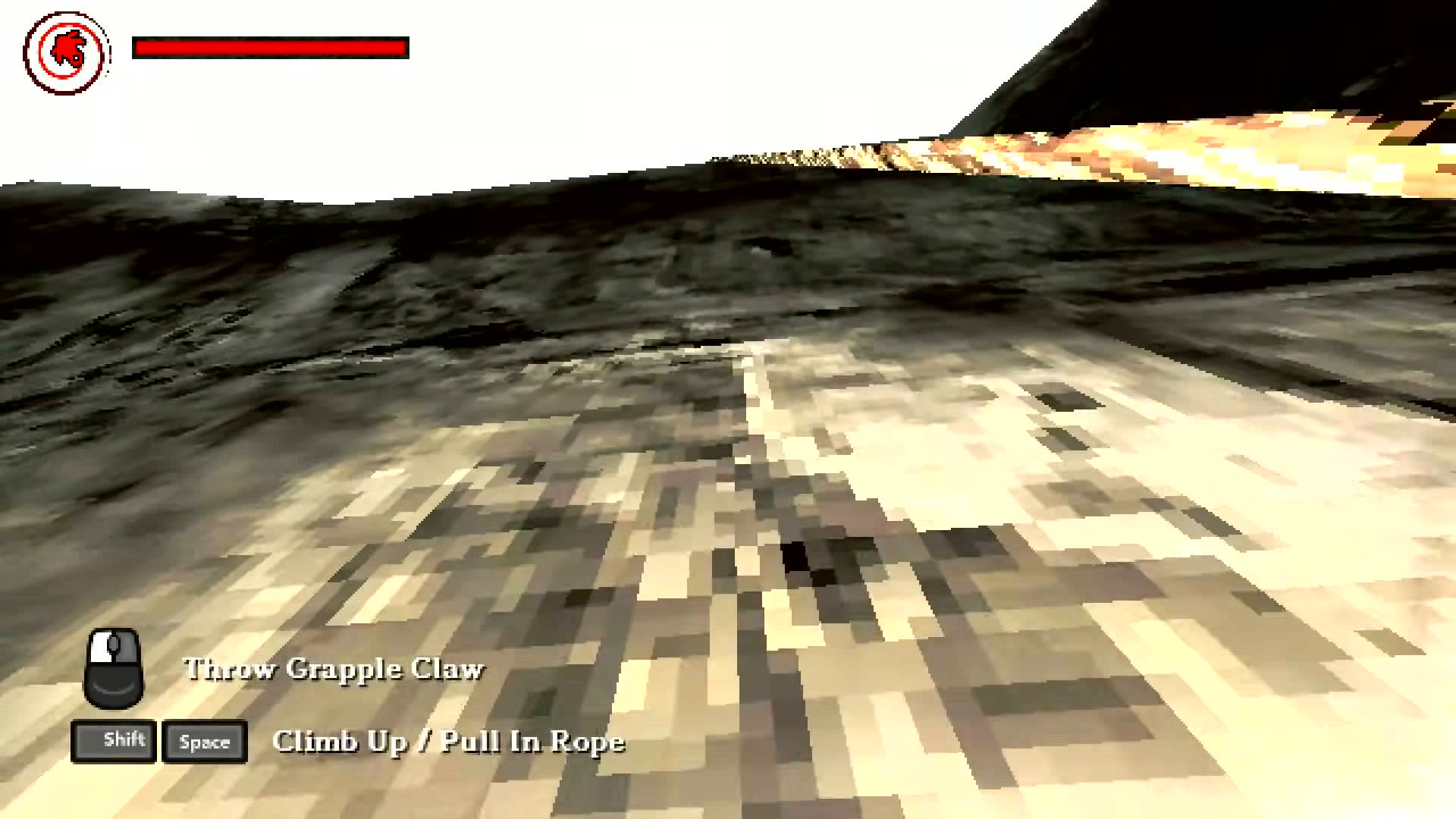
The long way down. Route choice through here determines whether you are competitive or just finishing.
Route Strategy
Knowing the tricks is half the battle. The other half is knowing where to use them.
The Central Axis
The safest and most consistent route follows the central shaft of the megastructure straight down. You avoid the branching side paths, minimize horizontal movement, and keep a clean vertical line. This is what you should learn first regardless of category. Every top runner started on the central axis before branching out into riskier optimizations.
Trap Hooks
Some grapple points in the structure look perfectly reachable but lead you into dead ends or force you to backtrack. Speedrunners call these trap hooks. They are especially nasty in the mid-section where several inviting-looking anchor points pull you toward side chambers with no exit downward. Learning where the trap hooks are is mostly a matter of running the route enough times to memorize them. There is no visual indicator that distinguishes a trap hook from a good one.
Viper's Pit Strategy
The Viper's Pit section is where most speedruns are won or lost. The strategy here is to use the initial long drop to build maximum velocity, maintain it through the twisting middle section with tight Yoinks, and then hit the final upward climb with rapid chain-grapples. Do not try to be fancy in the climbing section. Fast, rhythmic hooks beat big flashy swings every time. Hook, pull, release, hook again. Keep the chain going and do not let your momentum die.
Category-Specific Notes
Normal Mode
Checkpoints exist but stopping at them costs time. The current meta is to skip every Kiln unless you are going for a safe PB attempt. The Murderpede moves at standard speed, which means you can afford slightly wider swings and higher arcs without getting caught. Use this breathing room to practice clean execution rather than panic speed.
Nightmare Mode
Zero checkpoints and a faster Murderpede. Every death sends you back to the start. This category rewards consistency over flashy tricks. Runners who hold the top times in Nightmare are not doing anything particularly different from Normal -- they are just doing it without mistakes. The faster Murderpede actually helps in some sections because it forces you to maintain speed instead of coasting. If you can run Normal without touching a single Kiln and survive, you are ready for Nightmare.
First Kiln
A shorter run focused purely on the upper section. The route is more standardized here because there are fewer branching options. The challenge is pure execution speed through a section that most runners know well from their casual playthroughs. First Kiln is a great warm-up category and a good way to practice the opening without committing to a full descent.
Keyboard vs. Controller
This comes up constantly and the honest answer is: both work fine, pick the one you are comfortable with.
Keyboard gives you digital inputs, which means frame-perfect precision on techniques like the Yoink slingshot. When you press a key, it is either pressed or not. That binary nature makes tight timing windows slightly more consistent.
Controller analog sticks give you graduated input, which means smoother curves on long swings. If your route involves a lot of wide arcing movements, the stick can produce cleaner lines than keyboard strafing.
Most competitive runners lean toward keyboard because the Yoink timing advantage matters more than smooth arcs in the current meta. But there are controller runners in the top 10 across every category. Use what feels right.
Watch and Learn
Watching top runs is one of the fastest ways to improve. Pay attention to route choices and where runners aim their hooks, not just how fast they are going.
For more runs and route breakdowns, check out BubbleCerberus's speedrun playlist. It covers multiple categories and includes commentary on route decisions.
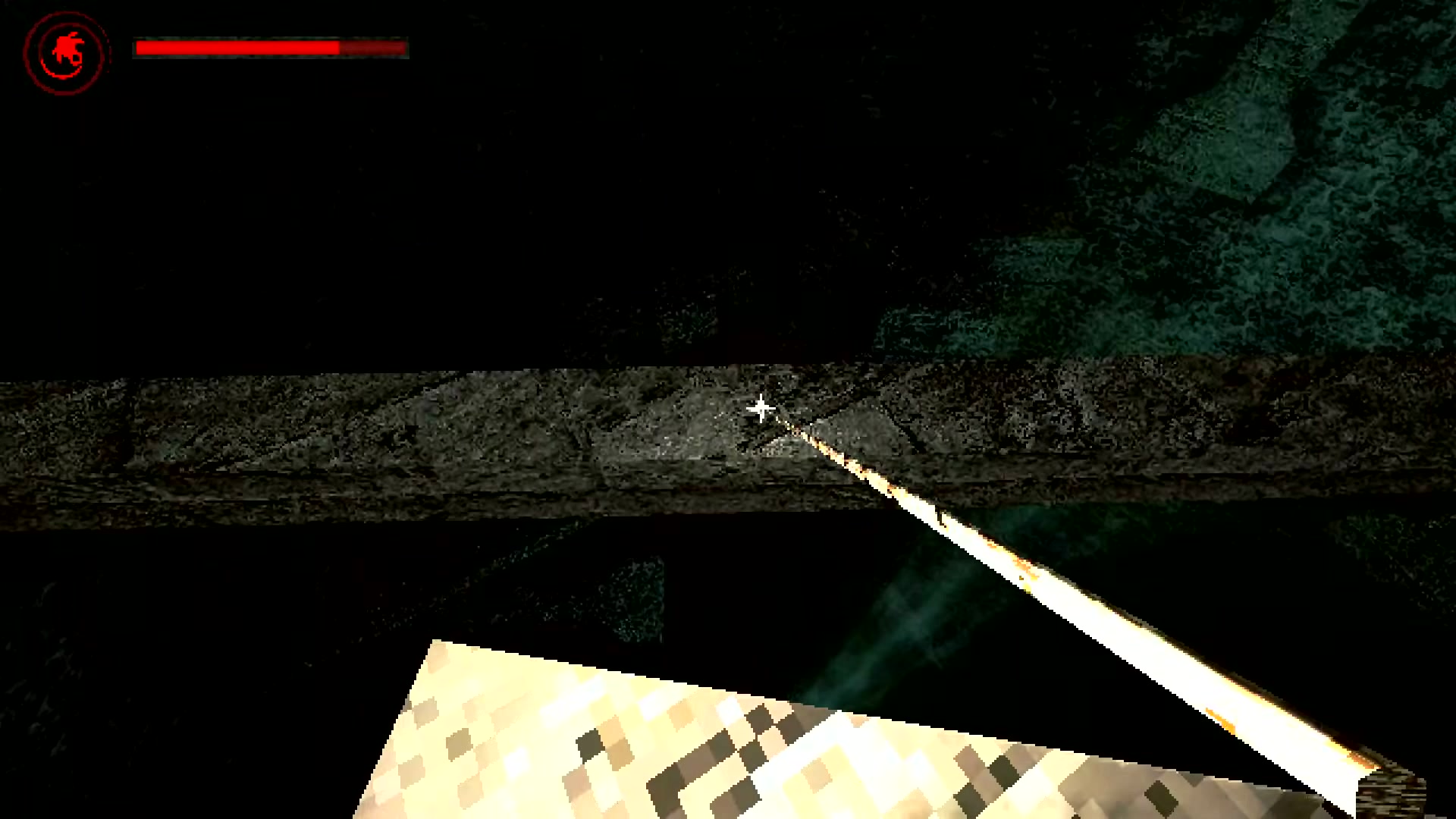
The mid-air recovery. Pulling this off during a speedrun feels incredible.
Frequently Asked Questions
What is the current world record for Idols of Ash speedrun?
The fastest known time is 4:09.700 in Nightmare. Normal sits at 4:58.050 and First Kiln at 6:58.467. These numbers keep getting pushed lower as runners find new optimizations and tighter lines through the structure.
Should I use keyboard or controller for speedruns?
Either works. Keyboard has a slight edge for frame-tight tricks like the Yoink because digital inputs are binary. Controller analog sticks trace smoother arcs on long swings. Most top runners use keyboard, but competitive controller times exist in every category. Go with whatever you already play on.
What is the best category for a first speedrun attempt?
Normal mode. You get checkpoint safety nets and the Murderpede is at standard speed. Learn the central axis route, practice Fall Forward starts and Yoink slingshots, and aim for finishing without stopping at Kilns. Once your Normal time is consistent, Nightmare is the natural next step.